When we think about animal shelter design, it’s common to immediately go to the human essentials: durable flooring, cleanable surfaces, secure enclosures, and effective medical-grade ventilation. But once the technical requirements are met, what really transforms a building into a genuine healing environment?
The answer often lies in biophilic design, the practice of connecting the built environment more closely to the natural world.
For animal care professionals, shelter directors, and veterinarians, creating a space that feels calm and restorative is no longer just an aesthetic bonus. It’s a vital strategy for supporting animal rehabilitation, accelerating adoptions, and combating the heavy emotional toll of staff burnout.
Understanding Biophilia in Animal Care
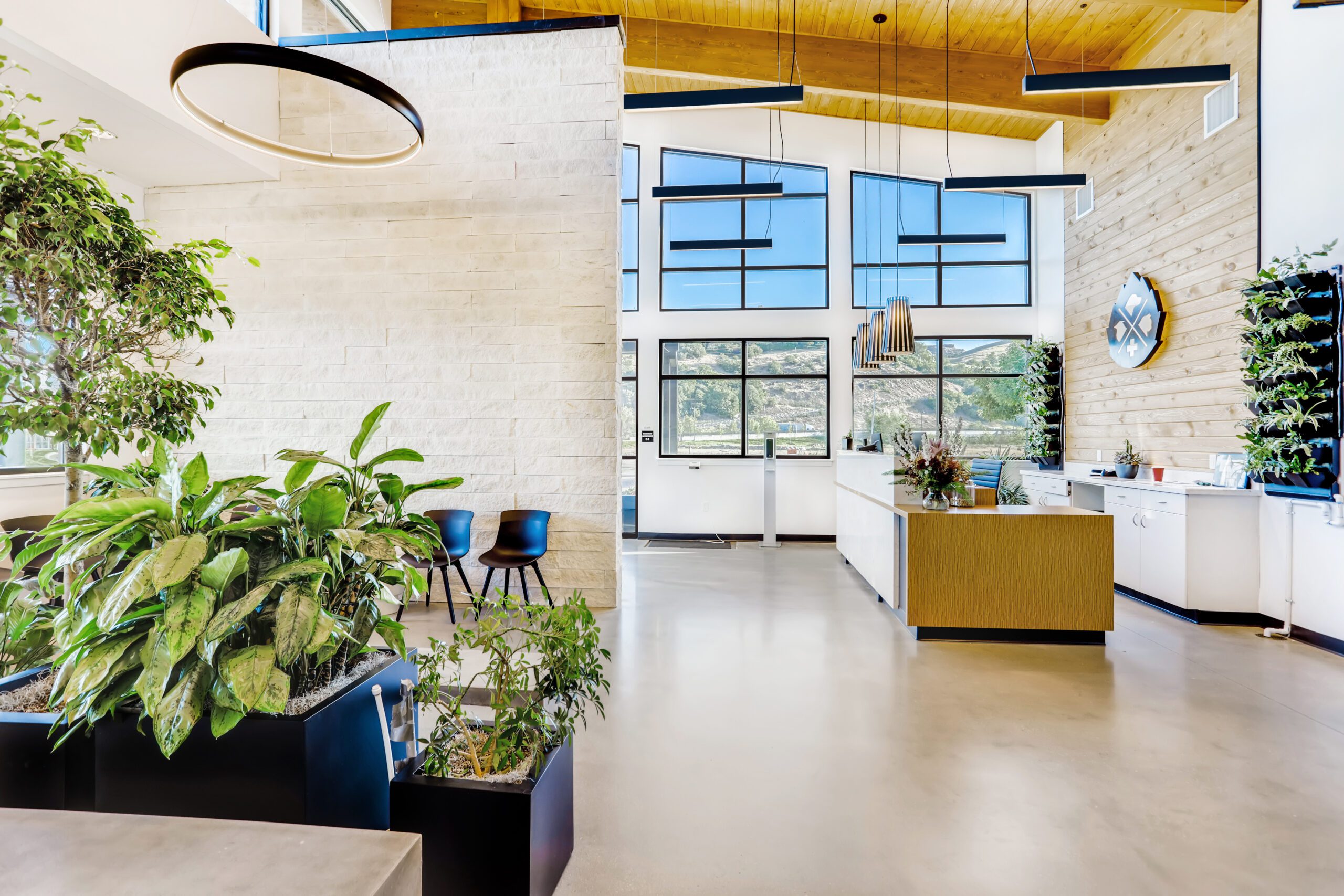
Biophilia, translated literally as the “love of life or living things,” suggests that humans possess an inherited genetic connection to nature. Modern architectural applications of this concept focus on incorporating direct nature (plants, water, natural light, fresh air), indirect nature (natural materials, organic shapes, wood grains), and spatial conditions that mimic natural environments (vistas, refuge zones, and connection to diurnal rhythms).
When applied to animal shelters and rescue facilities, biophilia becomes a powerful tool for multisensory design. Animals, particularly dogs and cats, perceive their surroundings through heightened senses of sight, sound, and smell. Integrating natural elements into an animal facility actively calms these sensory inputs, creating a restorative habitat rather than an overstimulating holding space.
The Biological Impact of Nature on Shelter Pets
Shelter environments are inherently high stress. Unfamiliar noises, strange smells, confinement, and a lack of control can trigger anxiety and defensive behaviors in animals, making them less receptive to potential adopters. Biophilic design offers a direct architectural counterweight to this stress.
- Regulating Circadian Rhythms: Increasing access to natural daylight through large windows and strategically positioned skylights helps regulate circadian rhythms for animals and humans too. For shelter pets, predictable natural light cycles reduce nighttime anxiety, promote better sleep, and support healthier physiological recovery.
- Softening the Sensory Experience: Traditional shelters rely heavily on harsh artificial lighting, long flat corridors, and hard surfaces that amplify shadows and visual triggers. Biophilic elements like views of outdoor green spaces, natural wood tones, and non-threatening organic geometries help soften the visual field and lower baseline cortisol levels in animals.

Protecting the Caregivers: Supporting Staff Well-Being
Animal care is deeply rewarding, but it’s also emotionally demanding and taxing. Compassion fatigue and high staff turnover are regular challenges for humane societies and rescue organizations. Architecture plays a powerful yet often overlooked role in improving this fatigue.
When designing a modern animal-centric facility, incorporating biophilic elements for the human users is just as important as designing for the pets.
- Dedicated Restorative Spaces: Positioning staff break rooms and administrative offices away from high-noise housing zones, even better treating them to views of outdoor courtyards or native greenery, gives teams a true mental escape during intense days.
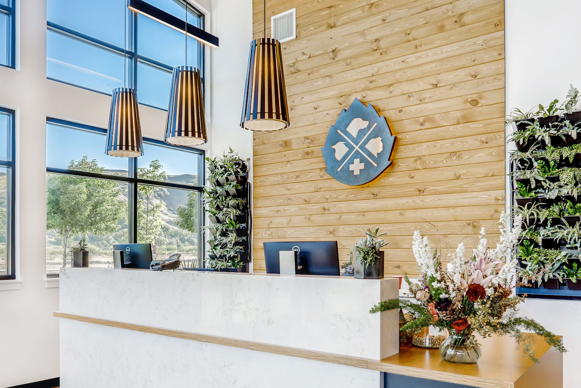
- The Power of Living Plants: Integrating indoor greenery not only enhances indoor air quality but also acts as a natural, living buffer that provides visual privacy between workspaces and public corridors, creating a softer, more grounded workspace atmosphere.
Bringing the Outside In: Practical Design Strategies
Implementing biophilic design in an animal care facility does not mean sacrificing durability or sanitation. Modern design strategies weave nature into functional spaces seamlessly:
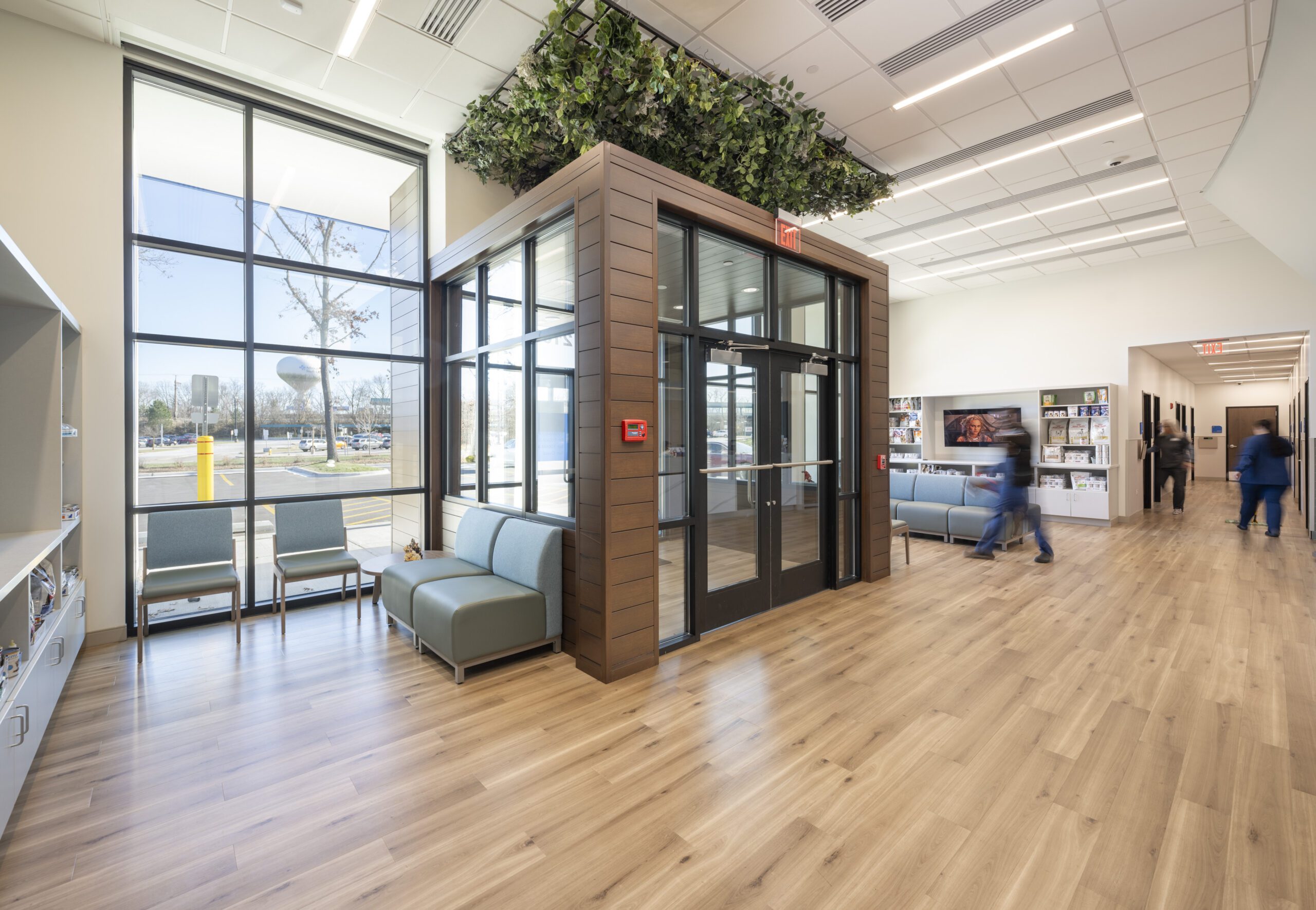
- Strategic Daylighting: Utilizing clerestory windows allows deep, glare-free natural light to flood into kennel areas and adoption lobbies without compromising animal security or privacy.
2. Outdoor Transition Zones: Creating secure, outdoor play yards and walking paths surrounded by native landscaping allows animals to experience grass, fresh air, and sunlight, dramatically improving their daily quality of life while giving visitors an inviting place to interact with prospective pets.
3. Natural Materials and Tones: Moving away from sterile, stark color palettes in favor of soft earthy, warm tones and tactile natural textures creates a welcoming, home-like atmosphere that eases the transition from shelter to permanent home.
Cultivating Community Engagement Through Natural Hubs
Modern animal shelters function as vital community assets, hosting educational programs, volunteer orientations, and adoption events. Biophilic design enhances these public-facing spaces by integrating living green walls, indoor water features, and expansive views of surrounding exterior landscapes.
These elements create opportunities for education and visitors about the benefits of connecting people, animals, and nature. By incorporating interpretive and interactive learning spaces, shelters can further educate the community about well-being, sustainability, and a stronger connection to the natural world.
When a community enters a shelter that feels more welcoming versus institutional, the stigma traditionally attached to animal sheltering dissolves. Visitors feel invited to linger, learn, volunteer, and engage with the mission, transforming the facility into a true community hub for animal welfare and education.
Redefining the Standard of Care
Ultimately, biophilic design reminds us that animals and humans respond profoundly to their surroundings. By bridging the gap between architecture and the natural world, animal shelters and rescues can do more than just house pets. They can be spaces that foster healing, ease stress for both two-legged and four-legged occupants, and set a new standard for compassionate design.
Written By MD Architects
MD Architects (MDA) is a full-service relationship-based architecture firm providing design solutions to the animal care and human healthcare markets.
August 25, 2026